Vital Pipe Welding Examination Tips for Quality Control
How can one guarantee the quality of these welds that link the pipe sections? By recognizing the crucial pipeline welding examination suggestions, specialists can avoid prospective threats, lower pricey repair work, and support the reliability of these vital facilities.
Relevance of Welding Assessment
Welding examination plays an important function in making certain the architectural integrity and security of pipe systems. By diligently examining welds, assessors can identify any flaws or flaws that can endanger the honesty of the pipeline. These evaluations are necessary for avoiding leakages, tears, and various other potentially catastrophic failures that can result in ecological damages, economic losses, and even death.
The relevance of welding assessment can not be overemphasized, as the quality of welds straight influences the overall performance and longevity of the pipe. With non-destructive screening methods such as visual examination, ultrasonic testing, radiography, and magnetic fragment testing, examiners can spot defects that may not show up to the naked eye. By identifying and resolving these concerns early on, welding assessment aids to guarantee that pipelines meet market standards and regulatory needs.
Inevitably, welding inspection is a vital aspect of quality control in pipe building and construction, repair work, and maintenance (Pipeline Welding Inspection). By upholding strenuous evaluation criteria, market specialists can alleviate risks and promote the safety and security and dependability of pipeline systems
Common Welding Issues
Amongst the difficulties encountered in pipeline welding, typical problems can dramatically affect the architectural stability and efficiency of the welded joints. Fractures in the weld can propagate over time, compromising the structural honesty of the pipe. Discovering and resolving these typical defects through thorough inspection and quality control procedures are vital for ensuring the dependability and security of pipeline welds.
Inspection Methods for Pipes


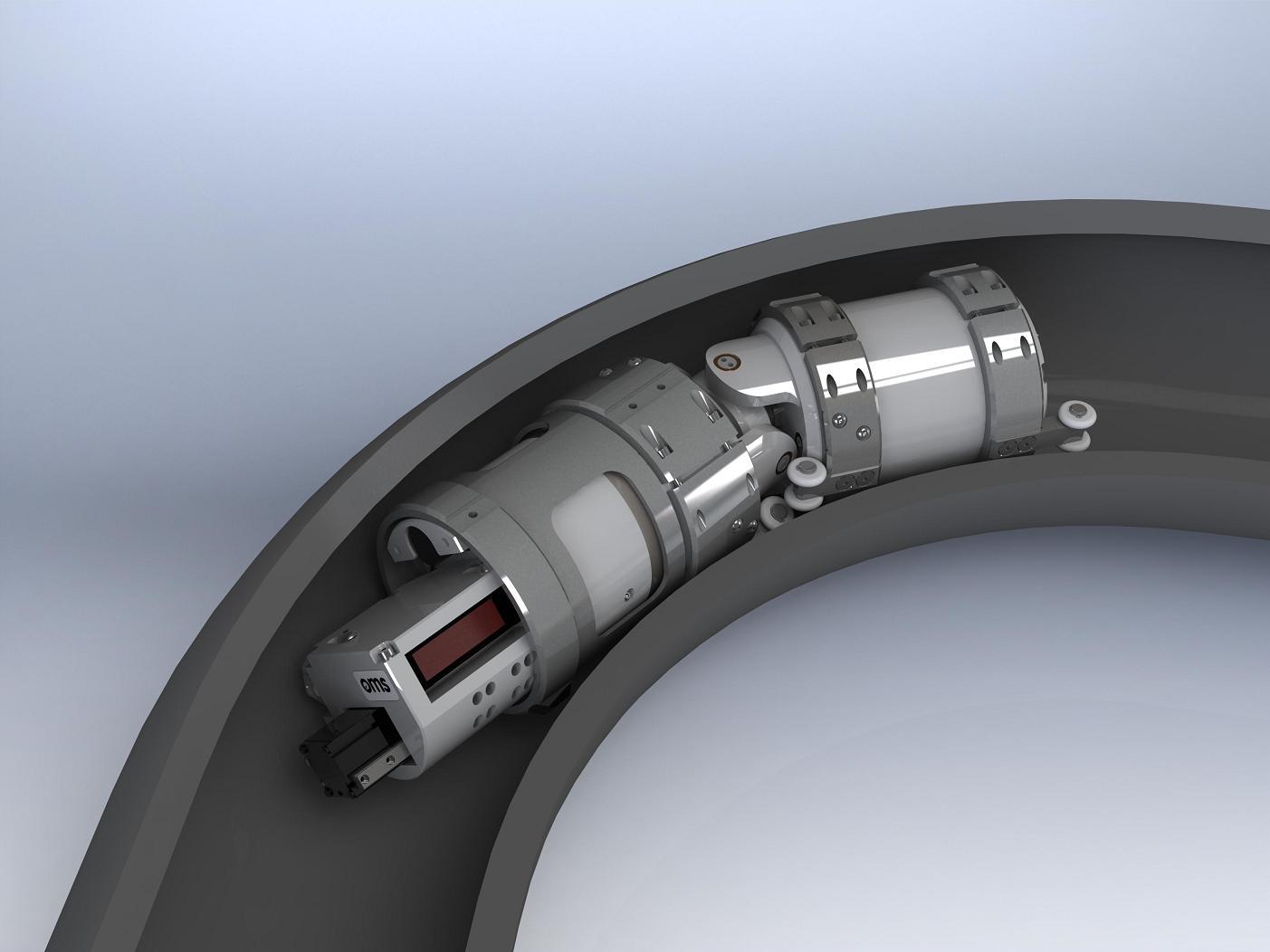
In making certain the structural integrity and integrity of pipe welds, the application of rigorous evaluation techniques is paramount. Numerous inspection techniques are employed to identify possible problems and guarantee the overall quality of the welds. Non-destructive screening (NDT) strategies such as radiographic testing, ultrasonic testing, magnetic particle useful site testing, and liquid penetrant screening are commonly made use of in pipeline welding evaluation. Radiographic testing includes the usage of X-rays or gamma rays to find inner problems, while ultrasonic testing utilizes high-frequency acoustic waves to determine imperfections. Magnetic bit testing is effective for spotting surface-breaking defects, and fluid penetrant testing is made use of to identify surface area cracks. Aesthetic evaluation is also essential in pipe welding to recognize any kind of noticeable defects or stoppages. Additionally, computerized inspection techniques utilizing advanced innovations like drones and robotics are increasingly being employed to enhance the performance and accuracy of pipeline evaluations. By using a combination of these examination strategies, pipeline weld high quality can be ensured, and prospective concerns can be minimized prior to they rise right into bigger problems.
Making Sure Quality Control Specifications
To support rigorous top quality assurance standards in pipe building and construction, precise adherence to established industry protocols and guidelines is vital. Quality guarantee in welding procedures needs a thorough technique including different stages of pipe construction. Executing a robust top quality administration system that includes regular audits and evaluations can further boost the total top quality guarantee standards in pipeline welding.
Preventing Pricey Repairs
Offered the crucial importance of maintaining rigorous quality assurance requirements in pipe building look what i found and construction, a proactive method to protecting against costly fixings is crucial. Normal upkeep checks and tracking of environmental aspects that can influence the honesty of the pipe are likewise important in avoiding costly repair services. By spending in preventative measures and prioritizing quality assurance at every phase of the pipe welding process, companies can reduce the danger of costly fixings and make certain the long-term integrity of their infrastructure.
Final Thought
In verdict, adherence to proper welding inspection strategies is vital for making certain the quality and honesty of pipes. By identifying common welding problems and applying thorough inspection processes, expensive repairs can be avoided, and quality assurance criteria can be fulfilled - Pipeline Welding Inspection. It is critical for pipeline welders to focus on evaluation procedures to preserve the safety and security and reliability of the framework they are dealing with
The relevance of welding inspection can not be overemphasized, as the quality of welds straight influences the general efficiency and long life of the pipe. Non-destructive screening (NDT) techniques such as radiographic testing, ultrasonic screening, magnetic particle screening, and liquid penetrant testing are commonly utilized in pipeline welding assessment. Aesthetic evaluation is likewise necessary in pipe welding to recognize any kind of visible defects or stoppages. Additionally, automated examination techniques utilizing advanced technologies like robotics try these out and drones are progressively being employed to enhance the effectiveness and precision of pipeline inspections.In final thought, adherence to proper welding assessment techniques is crucial for ensuring the top quality and stability of pipes.